Growing Demand Explained: Rising expectations from stakeholders have made the sustainability consultant a key contributor to environmental planning, reporting, and long term business performance.
Industry Trends Expanding Work: Shifts in investor requirements, consumer preferences, corporate commitments, and data driven tools have broadened the scope of sustainability consulting.
Pathways and Skills Needed: Success in this field comes from technical knowledge, strong analysis, clear communication, and hands on experience built through coursework, internships, and early consulting roles.
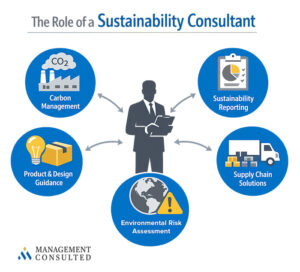
Organizations in every sector are facing rising expectations from customers, investors, regulators, and employees. This pressure has created strong demand for a sustainability consultant, a professional who helps companies assess environmental impact, set improvement goals, and build strategies that reduce risk and support long term performance. A sustainability consultant works at the intersection of business strategy, operations, and environmental stewardship. Their role can range from guiding carbon reduction plans to shaping product design, supply chain programs, and reporting frameworks.
A growing number of companies rely on this work because sustainability is now tied to financial outcomes. Better resource management lowers operating costs. Strong reporting practices build trust. Forward looking environmental planning reduces exposure to future regulation and supply chain disruption. A sustainability consultant delivers clarity and direction in each of these areas, which is why the function matters more today than at any other time in recent memory.
Industry Trends
Sustainability consulting has shifted from a specialized activity to a mainstream part of corporate strategy. Several forces are driving this change. First, investors are asking for clear environmental metrics, which has pushed companies to adopt consistent reporting standards such as those promoted by ISSB and GRI. Second, consumer behavior has moved toward preference for lower impact products, which has encouraged companies to evaluate packaging, raw material sourcing, and energy use. Third, major corporations have announced voluntary carbon reduction commitments, which has encouraged suppliers and partners to raise their own standards. This broad movement has expanded the scope of work for a sustainability consultant, who now advises not just on reporting but on technology selection, operational redesign, and change management.
Another trend is the rise of data driven approaches. Companies are using advanced measurement tools to track emissions, water use, waste reduction, and material flows. This shift has increased demand for consultants who understand both environmental science and business analytics. Finally, sustainability is being viewed as a source of competitive advantage. Leaders are treating sustainability programs as levers that attract talent, support brand reputation, and open access to new markets.
How to Become a Sustainability Consultant
There is no single path into this field. Many consultants start with degrees in environmental science, engineering, public policy, business, or related areas. Others enter after working in corporate sustainability roles, supply chain management, energy efficiency, or environmental compliance. What matters most is experience with measurement, problem solving, stakeholder communication, and program execution.
Most consultants begin in analyst or associate roles within consulting firms, environmental agencies, or corporate sustainability teams. Over time, they build credibility by managing client work, creating frameworks, and supporting regulatory or reporting projects. Earning relevant credentials can help. Examples include LEED accreditation, carbon accounting certificates, life cycle assessment training, and ESG reporting workshops. As responsibilities grow, consultants begin advising on strategy, helping executive teams identify risks, and shaping long term improvement plans.
General Salary Expectations
Compensation varies widely based on experience, location, and employer. Early career sustainability consultants typically earn between 55,000 and 75,000 dollars per year in many U.S. cities. Mid level professionals often earn between 85,000 and 120,000 dollars. Senior consultants and managers can earn 130,000 dollars or more, particularly in major consulting firms or specialized practices. Those with deep expertise in carbon accounting, renewable energy, or ESG reporting often command higher salaries due to strong demand.
Independent consultants can set their own rates, often charging between 75 and 200 dollars per hour depending on experience and project scope. Larger strategic engagements can command much higher fees.
A sustainability consultant needs a blend of technical, analytical, and communication skills. Key capabilities include:
Understanding of carbon accounting, energy management, waste reduction, and water conservation
Ability to work with reporting standards and regulatory requirements
Strong analytical ability to evaluate data and identify improvement opportunities
Familiarity with life cycle assessment tools
Clear communication across technical and non technical audiences
Comfort guiding teams through change and building alignment
Training programs in environmental management, green building, renewable energy systems, data analysis, and corporate strategy are common stepping stones. Hands on experience is especially valuable, whether through internships, university projects, or entry level roles.
Who Typically Hires Sustainability Consultants
Demand comes from a wide range of employers. Large corporations hire consultants to shape long term environmental goals and support reporting obligations. Manufacturing firms seek help managing resource efficiency and compliance. Retailers and consumer brands want guidance on packaging, supply chain oversight, and product design. Real estate developers and construction firms rely on consultants for green building planning. Financial institutions engage consultants to support investment reviews and risk analysis. Government agencies and NGOs also bring in specialists for program design or community initiatives.
Consulting firms themselves are major employers, including large global firms, environmental engineering practices, boutique sustainability advisory firms, and independent contractors.
How Aspiring Consultants Can Enter the Field
Start by building a foundation in environmental and business concepts. Take courses in sustainability strategy, energy systems, or impact measurement. Gain experience through internships with consulting firms, corporate sustainability teams, or environmental organizations. Create a portfolio by documenting projects, analyses, or research that demonstrate skill with data and practical problem solving.
Networking is valuable. Industry events, green building councils, and sustainability focused groups provide access to mentors and job opportunities. Developing familiarity with reporting frameworks and common analysis tools will strengthen credibility. Over time, focus on a specialty that aligns with your strengths, whether that is carbon reduction, supply chain programs, green building, or ESG reporting. With consistent learning and hands on experience, you can build a career as a sustainability consultant and help organizations make measurable progress on environmental goals.